Reflection Summary
Scott Donnell & Chad Willardson
Your income, debt, or savings don’t determine whether you can raise a financially wise kid — how you talk about money day to day matters more than how much of it you have.
Donnell and Willardson argue that children pick up messages about money from ordinary comments, reactions, and conversations they overhear, not only from deliberate financial lessons.
The speakers use a four-year-old’s belief that an ATM simply produces money as an example of how children can form incomplete ideas about money when they don’t understand where it comes from or how family spending works.
You can teach real numbers, rent, groceries, utility costs, without disclosing your exact income or net worth; the goal is understanding the cost of life, not full financial disclosure.
A gas station snack run, paid for with a child’s own saved quarters, is offered as an example of how everyday moments can become real financial teaching opportunities, letting a child weigh cost against effort firsthand.
A story about a well-provided-for adult child who never learned to value money, faith, or generosity makes the point plainly: if you never have the conversation, don’t expect your child to land on your values alone.
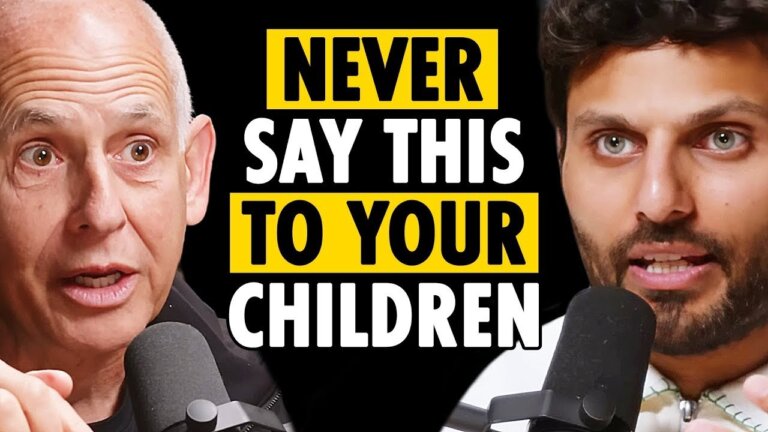
Financial planner Chad Willardson, author of Smart, Not Spoiled, joins Smart Money Parenting host Scott Donnell to talk about what it actually takes to be a financial role model for your kids, a topic they’re both clear applies just as much to a family living paycheck to paycheck as to a multi-millionaire. The starting point is reassurance: you do not need a perfect income, zero debt, or a flawless track record to raise a financially wise child. What matters more is how you talk, and don’t talk, about money in front of them.
Both hosts return repeatedly to how much children absorb from offhand comments, “we can’t afford that,” a sigh over a bill, a tense exchange about spending, even when no one is explicitly teaching them anything. Donnell tells a story about his four-year-old assuming they could just get cash from “the money machine” for balloons at Disneyland, a small but telling sign of how little kids understand about money when it’s never discussed openly. He follows it with a second story: letting his six- and four-year-old kids pay for a gas-station snack with quarters they’d earned doing chores, watching them seriously weigh cost against effort for the first time. The contrast is central to their argument: silence leaves children to guess, while small, real financial moments teach them something concrete.
Willardson pushes back gently on two common parental fears, oversharing income and admitting debt, arguing for financial transparency without full disclosure: kids can learn the real cost of rent, groceries, and utilities, and even follow along on an investment’s cash flow, without knowing a parent’s exact salary or net worth. Willardson argues that many children substantially underestimate what their family’s lifestyle costs because they rarely see the actual numbers, and that correcting that blind spot, not shielding kids from every hard number, is what actually prepares them for adult life.
The conversation closes with a story about a friend whose adult child, despite the best schools, sports, and camps money could buy, grew up without any of the values, faith, generosity, financial wisdom, his parents had assumed he’d absorb. The lesson offered is blunt: you cannot outsource this part of parenting to good schools or good intentions. Whatever you don’t intentionally teach your kids about money and values, someone or something else, friends, social media, silence itself, will teach them instead.
Donnell and Willardson argue that children pick up far more from offhand comments and reactions, a sigh over a bill or a phrase like ‘we can’t afford that,’ than from anything parents deliberately teach them about money. A parent doesn’t need a high income, low debt, or a perfect track record to be a good financial role model, what matters is being intentional about the conversations and reactions kids actually witness. Donnell and Willardson point to his four-year-old’s belief that cash simply comes from ‘the money machine’ as an example of how much kids fill in with guesswork when money is never explained. The speakers suggest that staying silent about money to protect kids from stress can leave children forming their own, sometimes incomplete, ideas about it, rather than being a neutral choice.
Notice one offhand comment about money you make in front of your kids this week, and consider what it might be quietly teaching them.
Kids can understand the real cost of rent, groceries, and utilities, and even follow the cash flow of a real investment, without a parent disclosing their exact income or net worth. Willardson suggests that many children would underestimate what their family’s lifestyle actually costs each month; correcting that blind spot is described as part of preparing them for the real world. Sharing your own financial mistakes and lessons learned, without shame, is offered as one of the most valuable conversations a parent can have with a child. Older kids and teens can meaningfully participate in real financial decisions, like family giving, when parents intentionally invite them into the conversation instead of deciding alone.
Pick one real cost in your household, like your grocery bill or a utility payment, and share the actual number with your kids this week.
A gas-station snack run, paid for with a child’s own earned quarters, is offered as an example of how trade-offs and value can be taught through everyday moments. The advice given is to fold money conversations into everyday moments, a car ride, a grocery trip, rather than staging a formal family meeting that can feel intimidating or rare. Letting kids cover part of their own expenses while still living at home, even a small amount, is described as giving them a safe place to make real financial mistakes before the stakes get higher. A story about a well-provided-for adult child who never absorbed his parents’ values, faith or otherwise, makes the point directly: values aren’t passed down automatically, they have to actually be discussed.
This week, turn one ordinary moment, a store trip, a bill arriving, a purchase decision, into a two-minute money conversation with your kids instead of letting it pass silently.
For a few days, notice what you say about money in passing, around bills, purchases, or spending, and consider what your kids might be absorbing from it.
Tell your kids what one real household cost actually is, like groceries, rent, or a utility bill, especially if you suspect they’d guess far too low.
Next time your child wants a small treat or purchase, let them decide whether it’s worth spending their own earned or saved money on.
Use a drive, grocery trip, or errand this week to ask your kids a simple, low-pressure question about value, saving, or spending.
With your spouse or on your own, write down three specific things about money you want your kids to know, and one conversation you’ll have this week to start.
There are no right or wrong answers here, just space to think about your own family.
What’s one thing I’ve said about money in front of my kids recently, and what might they have taken from it?
Have I avoided talking to my kids about money because I didn’t want to overshare, or because I genuinely wasn’t sure what to say?
Do my kids have any real sense of what our household actually spends each month, or would they guess far too low?
When did I last let my child make their own small financial decision, and let them live with the result?
If my child grew up and didn’t share the values I hope to pass down, faith, generosity, work ethic, would I be able to say I actually talked to them about it?
Every family is different. If you’ve tried something that made a difference in your family, we’d love to hear about it.
More reflections that may help you think about this from another angle.