Reflection Summary
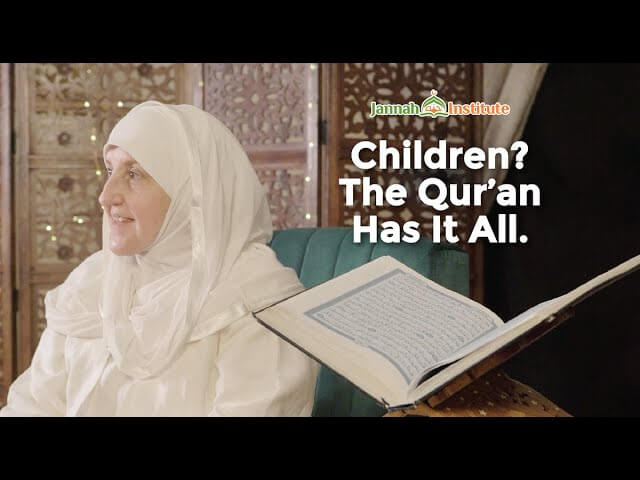
Dr. Haifaa Younis
The pull between spouses is described as a natural feeling from Allah, properly expressed through marriage rather than suppressed or shamed.
The Quran uses richer terms than simple romantic love, encompassing friendship, trust, sacrifice, and mercy.
Feelings of love naturally rise and fall, but mercy is what keeps a couple treating each other well through harder seasons.
Young people especially are encouraged toward marriage, both for chastity and for the deeper responsibility and stability it builds.
Dr. Haifaa points to Quranic and prophetic encouragement for those seeking marriage despite limited means, emphasizing both Allah’s provision and inner contentment.
Dr. Haifaa begins from a simple premise: the natural attraction between spouses is not something to suppress or feel ashamed of, it is a feeling Allah placed within people, meant to be properly channeled rather than denied. She grounds this in a verse from Surat ar-Rum, commonly recited at weddings, which describes marriage as one of Allah’s signs, echoing the original companionship created between Adam and Eve as the template for what a spouse is meant to be.
She then unpacks the Quran’s specific choice of words for what marriage should feel like, and it is worth noticing that the word used is not simply love. Mawaddah covers affection, friendship, and intimacy, while rahmah covers mercy, grace, and genuine care for the other person. Dr. Haifaa explains why this distinction matters in practice: romantic feeling naturally rises and falls over the course of a marriage, but mercy is what keeps a couple treating each other well precisely when affection alone isn’t carrying the relationship through a harder season.
She describes marriage as strongly encouraged in Islam, particularly for young people, both as the sanctioned channel for natural feelings and as protection for chastity. She references a hadith describing Allah’s promise to ease the path of someone sincerely seeking marriage despite financial worry, alongside a Quranic instruction to marry righteous people even amid poverty, with richness understood as both material provision and a deeper inner contentment.
She closes by describing marriage as the nucleus of the Muslim community, something that carries real responsibility, sacrifice, and patience alongside the natural feelings involved.
Dr. Haifaa explains that the Quran describes marriage using two specific words, mawaddah, covering affection, friendship, and intimacy, and rahmah, covering mercy and genuine care. Neither word is simply the English word love, and that distinction is deliberate. Romantic feeling naturally rises and falls over the course of a marriage. Mercy is what sustains a couple through the seasons when affection alone isn’t carrying the relationship. Understanding this reframes hard patches in a marriage as a shift toward relying on mercy, rather than a sign that something has failed.
Notice a moment this week to actively practice mercy toward your spouse, even in a small disagreement.
Attraction between spouses is described as a natural feeling placed by Allah, not something to suppress or feel ashamed of. Marriage is the sanctioned channel for that feeling, protecting chastity while allowing it proper expression. Marriage is strongly encouraged in Islam, particularly for young people. Dr. Haifaa references a hadith describing Allah’s promise to ease the path of someone sincerely seeking marriage despite financial worry. She also cites a Quranic instruction encouraging the marriage of righteous people even amid poverty, with richness understood as both material and inner contentment.
If marriage comes up naturally with a young adult in your life, consider talking about mawaddah and rahmah alongside romantic feeling.
Consider where affection is strong in your marriage and where mercy may currently be carrying more of the relationship.
In one moment of friction this week, consider what responding with rahmah might look like.
If marriage comes up naturally with an older child or young adult, consider discussing friendship, mercy, responsibility and sacrifice alongside attraction and love.
There are no right or wrong answers here, just space to think about your own family.
Where in your marriage might mercy need to carry things right now, more than romantic feeling?
Of the qualities mawaddah describes, affection, friendship, and intimacy, which feels strongest in your marriage right now, and which might deserve more attention?
How might it change the way you see a hard season in a marriage to think of it as a shift toward relying on mercy, rather than a sign that something has failed?
If a young person in your life asked what marriage is really about, what would you want them to understand beyond romantic feeling?
Every family is different. If you’ve tried something that made a difference in your family, we’d love to hear about it.
More reflections that may help you think about this from another angle.