
Reflection Summary
Ustadh Nouman Ali Khan
Quranic stories are told selectively, and every detail Allah chooses to include is meant to teach something specific, not simply to entertain.
Ustadh Nouman describes words, service, gifts, affection, and “space” as different ways love is expressed within a family. The first four matter, but he argues that they cannot replace the fifth.
Giving someone space isn’t about attention alone; it’s about genuinely caring what’s going on inside them.
When someone shuts you out despite sincere effort, that isn’t always a sign you did something wrong.
When you have sincerely apologized, tried to repair what you can, and another person still keeps a wall in place, Ustadh Nouman cautions against living in endless guilt or trying to force an outcome you cannot control.
Ustadh Nouman starts from an old memory: teaching Sunday school and noticing how easily children accept a Quranic story as important, not because they feel its weight yet, but because they have been told it matters. That observation becomes his way into a bigger point. Stories are how values get passed down, and the Quran is deliberate about which moments from a prophet’s life it chooses to tell. Nothing included is filler. Every detail is there to teach something.
From there, he develops five ways love can be expressed within a family: words, service, gifts, affection, and what he calls “space.” Each of the first four is valuable, but he argues that none can compensate for the absence of the fifth. By space, he means more than simply paying attention. It is the experience of being able to share something important, vulnerable, joyful, or difficult and knowing the other person will listen as though it matters to them too. He eventually returns to Yusuf’s story: even as a child, Yusuf feels able to bring something as personal as his dream to his father and know that he will be heard.
He is also honest about what happens when that effort is not returned. Sometimes, he says, a family member may build a wall despite real, sincere love being offered, and that is not automatically a sign of personal failure. If you have hurt someone, he says, apologize sincerely and offer the opportunity to repair the relationship. But if the other person continues to reject every effort, don’t assume their wall proves that you have failed or that you must keep chasing their approval. He ties this back to trust in Allah, the reminder that not everything is within a parent’s or spouse’s control, and that living with integrity matters more than constantly seeking approval.
A prophet’s life spans decades, yet the Quran often narrows in on just a few scenes. Ustadh Nouman argues this selectivity is intentional, every included moment is chosen to teach something specific. That means the details that made it into the text deserve real attention rather than a quick read-through. Ustadh Nouman recalls how easily children accept a story’s importance because they have been told it matters, before they feel its weight themselves.
When you tell your children a story from faith, slow down on the details that seem to matter most, they were likely chosen for a reason.
Ustadh Nouman describes five ways love is expressed in families: words, service, gifts, affection, and space. The first four are meaningful, but he argues that something essential is missing when family members don’t feel safe sharing what is happening inside them. He defines space as being able to tell someone what matters to you and having them receive your concern, fear, happiness, or worry as important to them too. He returns to Yusuf’s story as an example: even as a child, Yusuf feels able to bring something as personal as his dream to his father. He warns that if children don’t find that listening space with their parents, they may increasingly look for it through friends, influencers, or their phones.
Notice how your family expresses love through words, service, gifts, and affection, and check whether real listening space is also part of the mix.
Ustadh Nouman acknowledges that sometimes a family member may reject sincere efforts at connection. He is direct that this isn’t automatically a reflection of personal failure, some people close themselves off for reasons beyond your control. The instinct to chase harder when someone pulls away is understandable, but he cautions that it can erode your own self-respect. His guidance is to apologize sincerely and offer the chance to repair if you have hurt someone, but not to assume that a continued wall proves you have failed or that you must keep chasing approval. This distinction, between sincere repair and endless pursuit, is where he places the line.
If someone keeps shutting you out despite your sincere efforts, keep the door open without chasing them through it.
Next time you share a story from faith with your child, pause on the one detail that carries the lesson, rather than rushing through the whole narrative.
Set aside a few minutes this week to listen to a family member without steering the conversation, offering advice, or checking your phone.
Take stock of how your family expresses love through words, service, gifts, and affection—and whether genuine space for listening is present alongside them.
If someone in your family has pulled away despite your efforts, offer a sincere, low-pressure gesture, then give them room rather than pursuing harder.
It’s possible to love our children deeply and still have difficulty giving them “space.” Listening can be especially hard when what they say worries us, disappoints us, or touches something tender in us. We may rush to explain, correct, defend, advise, or make the conversation about what we intended.
Ustadh Nouman’s reflection invites a quieter question: when my child brings me something important, do they experience me as a safe place to bring it? Making space doesn’t require agreeing with everything they say. Sometimes it simply means letting their experience matter to us before we decide what needs to happen next.
There are no right or wrong answers here, just space to think about your own family.
How do we tend to express love in our family—through words, service, gifts, affection? Is there also space for people to share what is happening inside them?
Do your children or spouse feel safe sharing what is really going on with them, without being judged or redirected?
When someone in your family pulls away or builds a wall, do you tend to give them room, or find yourself chasing the connection?
Where in your family life might trusting Allah more, and controlling outcomes less, bring you more peace?
Every family is different. If you’ve tried something that made a difference in your family, we’d love to hear about it.
More reflections that may help you think about this from another angle.
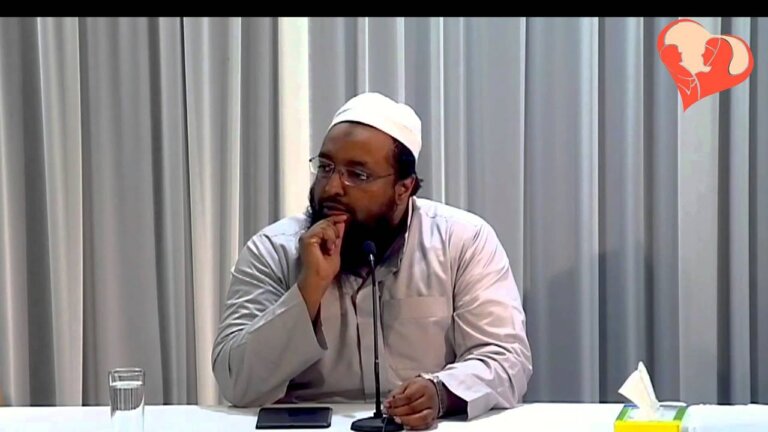
Sheikh Tawfique Chowdhury

Sheikh Belal Assaad

Dr. Omar Suleiman

Sheikh Ali Hammuda