Reflection Summary
Ustadh Abdulrahman Hassan
Ustadh Abdulrahman points to Quranic references to children as a blessing and an adornment of this life, and to a hadith describing every person as a shepherd who will be asked about their flock. He treats this as the reason parenting deserves serious thought, even before one has children.
He describes what he sees as a child’s rights, beginning before birth: a home built on faith and character, a supplication for protection, care for the child’s health, and a thoughtfully chosen name.
He describes teaching faith basics step by step and teaching manners by having children stand beside him and copy what he does, turning ordinary moments like greeting, entering the house, and eating into lessons.
He says parents can unintentionally fuel rivalry between siblings, and describes hearing each child’s account, judging each situation on its own, and avoiding favoritism in gifts.
Ustadh Abdulrahman suggests that regular time with children helps a parent notice small changes in their thinking or habits early, using the image of a young tree that can be straightened while it is still soft.
He shares an example of his son, upset that he could not travel with him: he sat down, listened, explained his reasons, acknowledged the feeling, and gave his son something to look forward to.
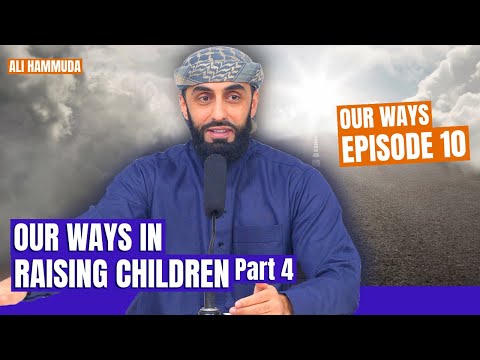
Ustadh Abdulrahman Hassan opens this lecture to a live audience, many of them not yet parents, by saying the topic is worth hearing now and hearing often, so that it becomes second nature later. He roots the talk in the idea that children are a blessing. He points to Quranic references to children as a blessing and an adornment of this life, and to a hadith in which every person is described as a shepherd who will be asked about their flock. In his reading, blessings come with accountability, and parents will be asked whether they cared for, nurtured, and guided their children well. The rest of the talk, as he frames it, is a set of practical answers to how a parent can prepare for that question.
From there, Ustadh Abdulrahman walks through what he calls the rights of the child. In his telling, they begin before birth, with the character of the home a child arrives in: he encourages couples to keep growing in faith together, mentions a supplication for protection at the time of conception, urges avoiding things that could harm a child’s health, and encourages choosing a name with thought, sharing how his own name and his children’s names carry stories they have come to value. After birth, he describes teaching children the basics of their faith in step-by-step lessons, and teaching manners by asking them to stand beside him and copy him: how to greet, enter a room, eat, and visit someone’s home, including knocking, saying who you are, waiting to be invited in, and asking permission to leave. He describes this as a classroom that runs through ordinary moments, often as a question-and-answer game, and says that when his children ask something he cannot answer, he tells them so and promises to look into it.
A good stretch of the talk is about fairness. Ustadh Abdulrahman says parents sometimes create the rivalry between siblings that they later complain about, often through favoritism. He describes handling sibling disputes at home almost like a courtroom, asking each child for their account, taking notes, and trying not to arrive with preconceived ideas, and he recalls finding that the quiet, easygoing child was sometimes the one in the wrong that day. He cautions against asking a child to forgive before the wrong has been acknowledged, and against rallying siblings to shun one child. On gifts, he mentions a report in which the Prophet declined to witness a gift given to one child and not another, and a prophetic instruction to fear Allah and be just between one’s children.
Throughout, he keeps returning to presence. Ustadh Abdulrahman suggests that regular time with children lets a parent notice small shifts early, and that children are more motivated when a parent studies or reads alongside them rather than sending them off while looking at a phone. He also voices concern that what children learn at home can sit at odds with what they meet at school and among peers, which he gives as part of why he urges parents to take an active role early. He speaks pointedly to parents, suggesting that those who step back from their children’s lives when they are young may find less closeness later, while adding that he is addressing parents here, not telling children their duty of kindness to parents depends on it. He closes warmly: sit with your children, play with them, take them to the park, tell them stories at night, and send them a voice message before work that they can listen to in the morning.
Ustadh Abdulrahman points to Quranic references to children as a blessing and an adornment of this life, and says that blessings are something a person will be asked about. He cites a hadith in which every person is likened to a shepherd who will be asked about their flock, and applies it to a parent’s care for their children. In his words, the questions will be whether a parent cared for, nurtured, and guided their children well. He frames the rest of the talk as practical answers to how a parent can prepare for that question. He notes that the Quran mentions parents and children in several places, which he reads as pointing to the weight parents carry. He says this is worth learning and hearing repeatedly even before someone has children, so that it becomes second nature later. He describes it as one of the topics closest to his heart.
Consider choosing one area he mentions, such as time together, manners, or fairness, to focus on first.
Ustadh Abdulrahman describes teaching the basics of faith to a child in lessons that move step by step from belief to prayer to fasting, leaving pilgrimage and charity for when a child is older. He teaches manners by asking children to stand beside him and copy what he does, from greeting people to entering the house. He describes teaching children to knock a few times with a pause, say their full name, wait to be invited in, and ask permission before leaving. He turns learning into questions and answers, for example asking his children to name etiquettes of eating, and building on them next time. On a flight, he describes asking his son what lessons and evidence they could think of connected to flying, and says he sometimes learns from his children’s questions. He says that when he does not know an answer, he tells them so and promises to research it. In one example he shares, his son told him a class felt easier because they were doing it together, and he suggests children are more motivated when a parent joins in rather than directing from a phone.
Consider one thing you usually ask a child to do on their own, and whether you could do it alongside them, even briefly.
Ustadh Abdulrahman says parents can unintentionally create animosity between siblings, sometimes through favoritism. He cites a prophetic instruction to fear Allah and be just between one’s children. He recounts a report, told from memory without a source, in which the Prophet declined to witness a gift given to only one child, saying he would not take part in injustice. On gifts, he suggests giving to all or to none, while describing a reward for a particular achievement or a competition as a different matter. He describes treating sibling disputes almost like a courtroom, asking for each side’s account, taking notes, and avoiding preconceived ideas. He says he has found the quiet, calm child was sometimes the one in the wrong that day, and that going by reputation would have wronged the other child. He cautions against telling a child to forgive before the wrong has been acknowledged, and against rallying siblings to shun one child.
The next time two children are in conflict, you might try hearing each account fully before deciding what, if anything, needs to happen.
Rather than sending a child off to read or memorize on their own, try sitting beside them and doing it together, as Ustadh Abdulrahman describes doing with his son.
Choose one small routine, such as greeting someone or coming into the house, and invite your child to stand beside you and copy it, in the spirit of what he describes.
Over a meal or a car ride, try asking everyone to share a few things they know about a topic, and be willing to say, “I don’t know, let’s find out.”
When siblings clash, try listening to each account before responding, and consider holding off on asking anyone to forgive until they feel heard.
If a child is upset, you might sit with them, listen, name what they seem to be feeling, and calmly explain your reasons, then offer something to look forward to if you can.
There are no right or wrong answers here, just space to think about your own family.
During an ordinary day, when do my children have my full attention, and when is it divided?
What might my children be picking up simply from watching how I move through my day?
When children bring me a conflict or a complaint about a sibling, what am I hoping they learn from how I respond?
When a child is upset, what helps me stay curious about what might be underneath it?
Every family is different. If you’ve tried something that made a difference in your family, we’d love to hear about it.
More reflections that may help you think about this from another angle.