Reflection Summary
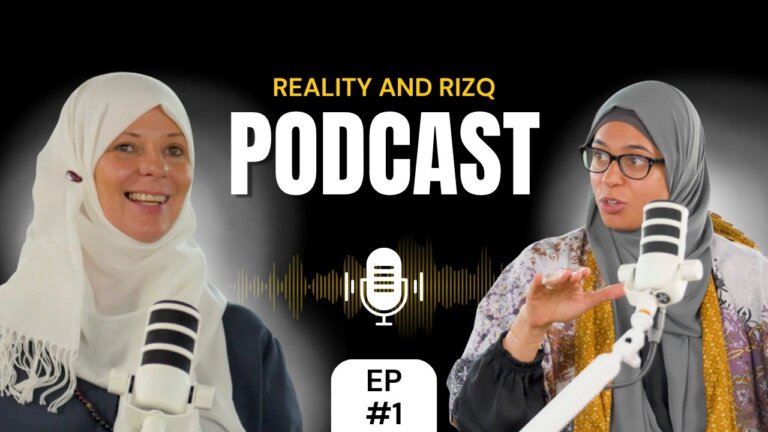
Sheikh Belal Assaad
Substance abuse, constant conflict, violence, rigid authoritarianism, and emotional distance.
Growing up amid shouting and blame can affect children’s mental health and future relationships.
A home with no listening, conversation, or laughter isn’t healthy, even if it is orderly.
Nonstop studying or nonstop screens can both leave families emotionally disconnected.
Sharing meals is a Sunnah that brings blessing and opens conversation.
Where there is abuse, violence, addiction, or concern for a child’s safety, seek appropriate outside support.
In this short clip, Sheikh Belal describes five kinds of family patterns he calls “dysfunctional,” and urges anyone who recognizes them in their own home, or someone else’s, to seek help. Some readers may recognize elements of these patterns in their own home or in the family they grew up in. The purpose here is not to assign a label, but to notice unhealthy patterns and consider what may need to change.
1. The substance-abuse family. Families struggling with drugs, alcohol, or other addictions. He points out that alcohol and drugs are among the leading factors linked to domestic violence.
2. The high-conflict family. Homes where people fight over everything, the TV remote, an iPad, a laptop, where you mostly hear shouting, blaming, accusations, and slammed doors. He warns that growing up amid constant conflict can take a serious toll on children’s mental health, and can make it harder for them to build stable relationships and hold down work as adults.
3. The violent family. Homes marked by broken objects, holes in walls and doors, bruises, and someone always trying to escape. Children raised this way, he says, often run away to find their identity elsewhere and may grow up struggling deeply with how they see themselves.
4. The authoritarian family. A home run only by rules and one-way authority, with no listening, no give and take, no conversation, and no laughter. He describes this as unhealthy from an Islamic perspective.
5. The emotionally detached family. Families with little emotional bond, where a car ride to school might pass in silence, or conversation is only about rules and surface matters. He believes many modern families fall here, usually in one of two forms: homes where it’s “study, study, study,” with parents acting like full-time teachers and children barely getting rest or fun; or homes of constant entertainment and neglect, where everyone is on their own device, series follow series late into the night, and parents then say they have no time for their children.
His remedy begins simply: return to natural human connection by eating together. Eating together is a Sunnah, and when families share a meal, they talk to each other. Put the devices away. The Prophet ﷺ taught that there is blessing in eating together, and it draws hearts closer.
A note from ValueOurKids: if there is violence or abuse in your home, or you’re worried about a child’s safety, please reach out to local emergency services, a domestic abuse helpline, or a trusted professional. Families struggling with addiction or ongoing conflict can also find real help through counselors and support services. Seeking help is a strength.
Sheikh Belal describes five family patterns: substance abuse, high conflict, violence, rigid authoritarian rule, and emotional detachment. Some families may recognize elements of these patterns; noticing them can be a first step toward change. Where there is addiction or violence, he urges families to seek help.
Quietly reflect on which pattern, if any, shows up most in your home.
In high-conflict homes, families fight over small things, and shouting, blame, and slammed doors become normal. He warns this environment can affect children’s mental health and their ability to build stable relationships later. Violent homes can push children to seek identity elsewhere and struggle with how they see themselves.
Choose one recurring argument in your home, such as over screens or the remote, and agree on a calm family rule for it.
An authoritarian home runs only on rules and one-way commands, with no listening, conversation, or laughter. The emotionally detached family may look fine from the outside but has little real bond. This often shows up as either nonstop academic pressure or nonstop screens and entertainment, with parents too tired for their children.
Use your next car ride to ask your child an open question and just listen.
His remedy begins simply: get back to natural human connection by eating together. Eating together is a Sunnah, and the Prophet ﷺ taught that there is blessing in it. Sheikh Belal emphasizes eating together as a simple way to create space for conversation and connection. Putting devices away at the table turns an ordinary meal into time for connection.
Plan at least one device-free family meal this week, and let everyone share something from their day.
Put phones and tablets in another room during at least one family meal a day.
At dinner or in the car, ask something like “What made you laugh today?” and really listen.
Agree as a family on how to handle common disagreements calmly, without shouting or blaming.
Make sure your child has time for play, rest, and fun, not just schoolwork.
When you set a rule, explain the reason and leave room for your child to share their view.
There are no right or wrong answers here, just space to think about your own family.
Which of these five patterns, if any, do I recognize in my own home, or in the home I grew up in?
What do my children most often hear in our home: conversation and laughter, or rules and raised voices?
Are there small things our family regularly fights over?
Is our home leaning too much toward nonstop study, or nonstop screens?
How often do we eat together without devices?
Every family is different. If you’ve tried something that made a difference in your family, we’d love to hear about it.
More reflections that may help you think about this from another angle.