Reflection Summary
Psych2Go
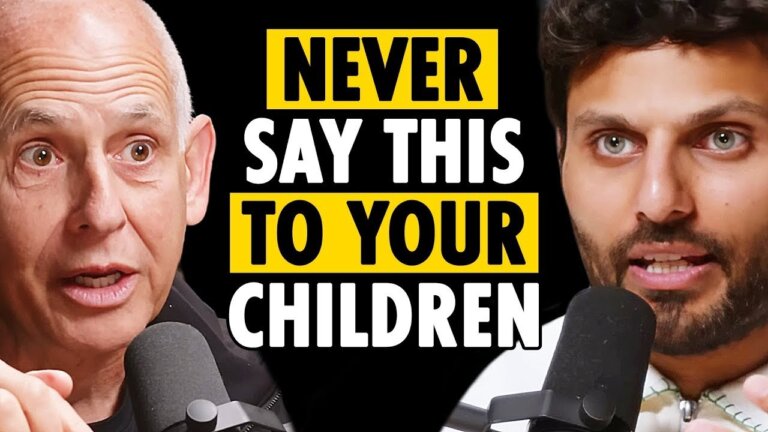
Psych2Go frames parental language as something children may internalize and carry into the way they eventually speak to themselves.
The eight phrases largely fall into three traps: comparison and conditional approval, dismissiveness and threats, and control without explanation.
The video warns that repeated comparisons can leave children feeling that approval or love depends on how they measure up.
“I don’t have time for you” can leave a child feeling unimportant, and Psych2Go warns that threats such as “I’m leaving and never coming back” can create insecurity and may affect how children experience attachment later on.
“Because I said so” and reacting to hard news by worrying what others will think are both patterns the video encourages parents to move away from, in favor of keeping difficult moments emotionally safe for a child.
Explain rather than dismiss, address the behavior rather than the child’s worth, and respond to your child’s feelings before anyone else’s opinion.
It’s a familiar moment: something slips out mid-frustration, and by dinner you’ve forgotten you said it. Psych2Go’s premise is that our children often don’t forget nearly as easily, because the way we talk to them tends to become the way they learn to talk to themselves. That idea runs underneath all eight phrases the video walks through, from the sharp (“You’re a disappointment to me”) to the ones that sound almost reasonable in the moment (“I don’t have time for you right now”).
Several of the phrases share a comparison problem. “What’s the matter with you?”, “I wish you were more like this,” and “Why didn’t you?” all measure a child against someone else, or against an outcome, rather than meeting them where they are. Even well-meant versions of this — pushing a child who tried hard toward a higher score or a better result — the video warns can quietly leave a child feeling that love and approval are something to be earned, not something they already have.
A second group is about dismissal. “I don’t have time for you right now” and “I’m leaving and never coming back” land very differently to a child than they’re intended. The first, said without explanation or follow-through, can read as neglect rather than a busy moment. The second is a threat, and even said in frustration rather than seriously meant, it functions as a kind of emotional blackmail — the video notes it can leave lasting insecurity in how a child attaches to people as they grow older.
The last pattern is about control without connection. “Because I said so” offers a rule with no reasoning behind it. The video points to research it says has associated highly authoritarian parenting with outcomes including lower self-esteem, withdrawal or dependence in some children, and greater defiance or aggression in others. And reacting to a child’s difficult news — a failing grade, a fight at school, something painful they’ve worked up the courage to share — by worrying what other people will think tells them your reputation matters more than their trust in you. The video encourages parents to respond in a way that keeps difficult conversations emotionally safe rather than centering how the situation reflects on the parent.
None of these phrases make someone a bad parent — most of us have said a version of at least one under enough stress. What’s worth sitting with is the pattern underneath them: whether our words, in the moment, are about the child’s growth or about our own frustration. For Muslim parents, the video’s message can also invite a broader reflection on the care Islam places on speech: our words toward the people entrusted to us deserve the same thoughtfulness we hope to teach our children.
Phrases like “What’s the matter with you?” or “I wish you were more like this” measure a child against someone else instead of meeting them as they are. Even well-intentioned “Why didn’t you?” questions after real effort can turn into a pattern of chasing approval that never quite feels earned. The video suggests that, over time, children can start to believe love and approval are conditional on performance rather than freely given.
Notice effort and identity, not just outcomes measured against someone else.
“I don’t have time for you right now,” said without explanation or follow-up, can feel like neglect rather than a genuinely busy moment. “You’re a disappointment to me” attacks who a child is rather than addressing what happened, closing the door on trying again. Psych2Go warns that threats like “I’m leaving and never coming back” function as emotional blackmail and can create insecurity that may affect how a child experiences attachment later in life.
When you have to say no or step away, explain briefly and follow up — don’t let a hard moment become a message about their worth.
“Because I said so,” with no reasoning offered, is a hallmark of what the video calls an authoritarian style — research it cites associates this with outcomes including lower self-esteem, withdrawal or dependence in some children, and greater defiance or aggression in others. Reacting to a child’s difficult news by worrying what other people will think tells them your reputation matters more than their trust in you. The video encourages responding to both patterns in ways that keep the relationship open, rather than centering how a situation reflects on the parent.
Rules matter, but a brief reason and a reaction centered on your child, not your image, keeps the relationship open.
Instead of measuring your child against a sibling or friend, name exactly what you’d like to see, tied to their own effort.
When you can’t give your child time right now, say so briefly and name when you’ll follow up, instead of just “I don’t have time.”
Address what happened (“That choice wasn’t okay”) rather than what it says about them (“You’re a disappointment”).
Trade “Because I said so” for one short sentence explaining the boundary, even if you don’t open it up for debate.
When your child brings you something hard, respond to how they’re feeling first, before you think about what anyone else might think.
There are no right or wrong answers here, just space to think about your own family.
Which of these eight phrases, if any, do you recognize from your own childhood — and how did it shape the way you talk to yourself now?
Is there a phrase on this list you’ve caught yourself reaching for under stress? What tends to trigger it?
When you tell your child no or not right now, do you explain and follow up, or does it just end there?
How do you typically react when your child tells you something difficult? Whose feelings are you protecting in that moment?
What’s one specific phrase you could swap in this week, the next time you feel an old pattern coming up?
Every family is different. If you’ve tried something that made a difference in your family, we’d love to hear about it.
More reflections that may help you think about this from another angle.