
Reflection Summary
Featuring Ustadha Hina Khan-Mukhtar & Ustadha Hosai Mojaddidi
CelebrateMercy · Raising Beautiful Hearts Prophetic Parenting series · Episode 1
Scholars repeatedly advised: before rules and rituals, teach children good manners and character.
Words, actions, belongings, and Allah Himself: adab is giving each its rightful place.
Kids absorb what they see; when they are squeezed, what comes out is what they soaked up from us.
Ustadha Hosai describes threats, intimidation, and harsh correction as contrary to the Prophetic approach, emphasizing gentleness and care for a child’s heart.
Give three or four clear expectations before a visit, model them in the moment, and talk afterward.
Point out beautiful adab when you see it, and share good news about other people’s children too.
This conversation begins with a simple question: with so much to teach our children, where do we start? Ustadha Hina Khan-Mukhtar recalls asking a scholar exactly that, expecting him to name a fiqh book or a list of surahs to memorize. Without blinking, he said: teach your children adab, good manners and character. Many parents focus on the rules and rituals of the religion and skip adab, yet adab beautifies everything it touches. Years later, when her teenage son asked a scholar for advice, he got the same answer: have adab, even a little, and it will beautify your life and the lives of those around you.
The simplest definition of adab, the guests explain, is putting things in their proper place: your words, your actions, your belongings, and above all, where Allah sits in your life. Manners can vary by culture, but from an Islamic perspective the most complete picture of adab is the character of the Prophet ﷺ, who said he was sent to perfect good character. Studying how he spoke to young and old, how he met people of every background, and how he greeted others cheerfully even while carrying enormous burdens is itself the study of adab.
Ustadha Hina describes parenting as one of the biggest spiritual gyms you will ever enter. We assume parenting is top-down, but it is really about working on ourselves, because children “listen with their eyes.” She shares a story: she saw her son slamming doors and grumbling because he couldn’t find a pen, and began lecturing him about patience, then remembered that just a day earlier she had been slamming drawers and muttering while hunting for her keys. He was simply reflecting what she had shown him. Children are like sponges: when they are squeezed, what comes out is whatever they absorbed. The CelebrateMercy host reflects that parents can feel as though they have given birth to ‘little mirrors,’ connecting this to the teaching that the believer is a mirror to the believer. Ustadha Hosai then takes the idea further, encouraging parents—even before having children—to take honest inventory of their own tone, reactions, spiritual practice, and shortcomings.
Ustadha Hosai describes one boundary that she and her husband established in their own parenting: they would not use force or threats to frighten their children into behaving. She contrasts this with the Prophetic model of correcting children gently and taking care with a child’s heart. Correction is sometimes necessary, but Imam al-Ghazali warned that children are a trust we can make or break, so it should never come at the cost of that trust. Setting non-negotiable rules like this ahead of time matters, because in the heat of the moment we all react.
Parents should also be a united team: discuss differences privately and present a united front. Much of the talk turns practical. When our child doesn’t say salam to an auntie, the inner voice often asks, “What will people think of me?”, and we correct them publicly to prove we’re on top of it. Instead, Ustadha Hina suggests coaching before the moment, not during it. Before a visit, give young children three or four concrete expectations: say salam to the auntie and uncle, sit with us for 15 minutes before going to play, offer the guests a glass of water. Remind them beforehand and follow up afterward. In the moment, simply model it: if your child is too shy, say salam for them, without labeling them “shy,” which children can grow into. Ustadha Hosai builds on this by suggesting role-playing beforehand—even in the car on the way—so children can practice what the situation will look like before they enter it.
Teach the why, too. Unlike “hi” or “hello,” salam is literally a prayer for someone, and the Prophet ﷺ taught that spreading salam increases love between hearts; the one who initiates it earns more reward. That message empowers a child far more than being rebuked or shamed. And catch them getting it right: Ustadha Hina shares that when an auntie recently texted to say how touched she was by one of her son’s greetings, she made sure to pass the compliment along to him. Ustadha Hosai builds on this by encouraging parents to notice and share positive feedback about one another’s children, creating a community in which good character does not go unnoticed.
For one final piece of advice, Ustadha Hosai recommends connecting children to the Prophet ﷺ through storytelling rather than treating manners like a school subject, including stories of how he greeted, played with, and honored children, so they know they matter to him. Ustadha Hina’s answer is role modeling: when parents ask how to get a shy child to say salam, she points to how the Prophet ﷺ would stand, greet his daughter Fatima, kiss her forehead, and seat her in his place, rather than waiting for her to greet him first. The more adab we show, the more it becomes the water our children swim in.
When asked what to teach children first, a scholar answered immediately: adab. Parents often focus on rules and rituals, but adab beautifies everything it touches. Adab means putting things in their proper place, including words, actions, objects, and where Allah fits in our lives. Manners vary by culture, but the most complete model is the Prophet ﷺ, who was sent to perfect good character and treated everyone, young and old, with warmth and a cheerful face.
Pick one aspect of the Prophet’s ﷺ character, like his cheerful greeting, and focus on it as a family this week.
Parenting is less about teaching from the top down and more about working on ourselves. Children listen with their eyes. Ustadha Hina caught herself lecturing her son about patience for slamming doors over a lost pen, then remembered she had slammed drawers over lost keys the day before. Children are little mirrors. When we notice a behavior we dislike in them, it is worth asking honestly where they might have learned it.
The next time your child’s behavior frustrates you, pause and ask: have they seen me do this?
Ustadha Hosai contrasts parenting through threats, intimidation, or harsh displays of authority with the gentleness she sees in the Prophetic example. She describes a personal boundary she and her husband established: they would not use their adult power to frighten their children into behaving. Imam al-Ghazali warned that children are a trust, and parents can make or break them. A child’s heart is soft and easily harmed by harsh words. Decide on firm personal boundaries before the heated moment arrives, and make sure both parents are on the same team, discussing differences privately.
Sit down with your spouse and agree on one line you will never cross when correcting your children.
Correcting children publicly often comes from worrying about what others will think. Instead, set clear, small expectations beforehand, like saying salam, sitting with guests for 15 minutes, or offering water. In the moment, just model: if your child is shy, say salam for them, without labeling them. Follow up privately later, and try role-play on the way. Explain why it matters: salam is a prayer that spreads love between hearts, and the one who starts it earns more reward. And when you see beautiful adab, name it.
Before your next visit or guest, give your child three simple, concrete expectations and practice them in the car.
Before a visit, tell your child exactly what good adab looks like: say salam, sit with the adults for 15 minutes, offer a glass of water.
Practice greetings and manners through pretend play on the way. It turns coaching into a game rather than a lecture.
Tell your child that salam is a prayer for peace, that it spreads love between hearts, and that the one who says it first earns more reward.
If your child is shy, say salam for them warmly, skip the “he’s just shy” label, and talk about it privately later.
When you see your child (or a friend’s child) showing good manners, tell them specifically what they did well.
There are no right or wrong answers here, just space to think about your own family.
If my child learned adab only by watching me this week, what would they have learned?
Is there a behavior in my child that frustrates me and that I might be modeling myself?
When I correct my child in public, am I thinking about their heart, or about what others will think of me?
What lines have my spouse and I agreed never to cross when disciplining our children?
Do I prepare my child for social situations beforehand, or expect them to just know what to do?
Every family is different. If you’ve tried something that made a difference in your family, we’d love to hear about it.
More reflections that may help you think about this from another angle.
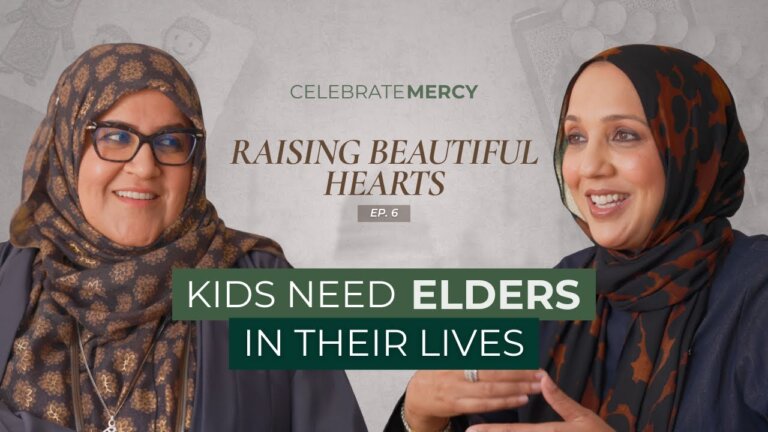
Ustadha Hina Khan-Mukhtar & Ustadha Hosai Mojaddidi
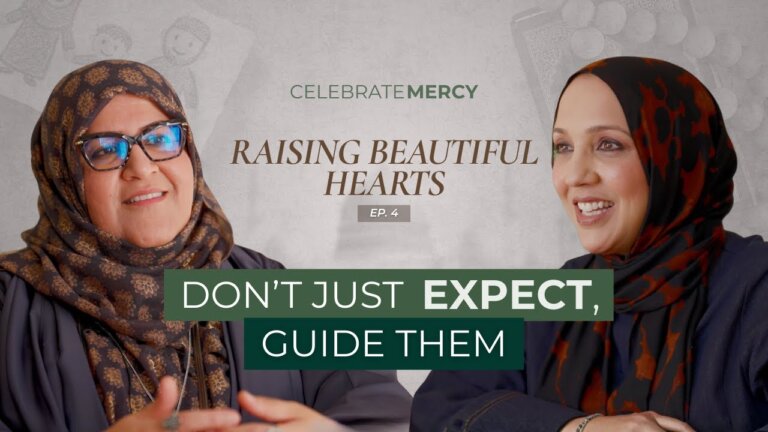
Ustadha Hina Khan-Mukhtar & Ustadha Hosai Mojaddidi
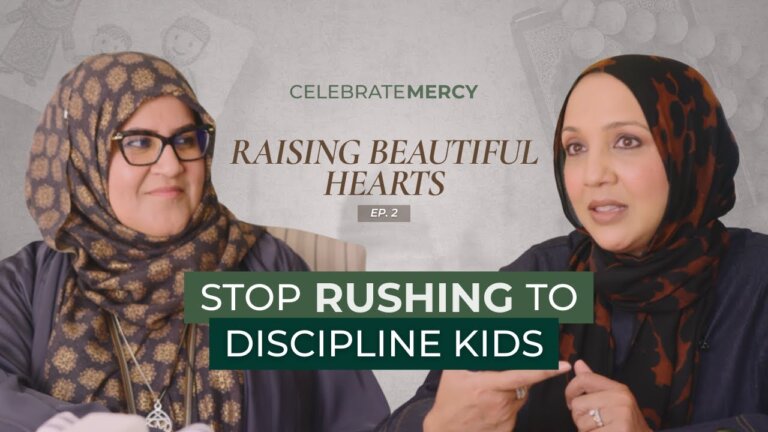
Ustadha Hina Khan-Mukhtar & Ustadha Hosai Mojaddidi
Ustadha Hosai Mojaddidi