Reflection Summary
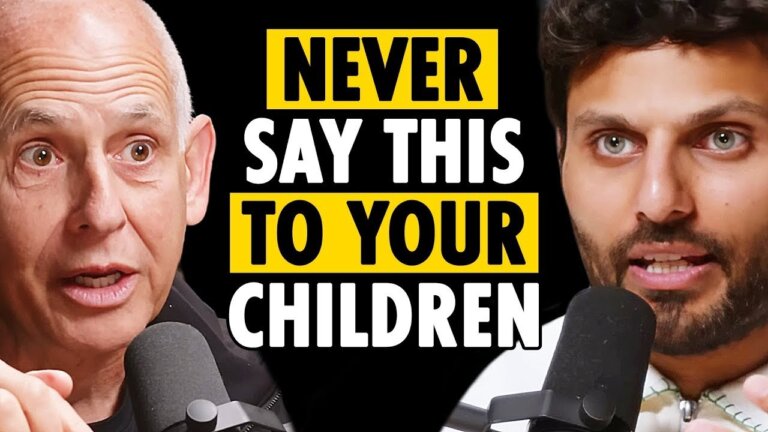
Dr. Daniel Amen
Dr. Amen, double board-certified psychiatrist and founder of Amen Clinics.
Dr. Amen cites data reporting that 57% of teenage girls experienced persistent sadness, 30% have thought about suicide, 24% have planned it, and 13% (roughly 1 in 8) have attempted it. He notes boys face rising rates of ADHD, depression, and addiction too.
Dr. Amen recommends seeking professional help when a child’s thoughts, feelings, or behaviors are significantly interfering with relationships, school or work, or how the child feels about themselves.
Even as a psychiatrist who prescribes medication, Dr. Amen insists on starting with diet, exercise, targeted supplements, and limiting devices first.
It seems like you’re going through a hard time. Then stop and listen, followed by: do you want to talk about it, and what do you need from me?
A father who initially wanted nothing to do with seeing a shrink transformed his relationship with his struggling 10-year-old son, and Timmy transformed with him.
Dr. Amen opens with data he calls staggering: 57% of teenage girls report being persistently sad, 30% have thought about suicide, 24% have planned it, and 13%, roughly one in eight, have actually attempted it. Boys face their own rising tide of ADHD, depression, and addiction. His question for parents is direct: how do you actually know when it’s time to seek professional help? His answer is a simple test, not a specific diagnosis — if a child’s thoughts, feelings, or behavior are interfering with their relationships, their school or work, or how they feel about themselves, that’s the threshold. If your own child is expressing thoughts of suicide or self-harm, treat it as urgent: contact the 988 Suicide & Crisis Lifeline (call or text 988 in the US) or go to the nearest emergency room right away.
Even as a board-certified psychiatrist who does prescribe medication, Dr. Amen is insistent that medication should never be the first or only step, and he warns parents to be wary of any professional who treats it that way. Amen says his own approach begins by looking at factors such as diet, exercise and device use, and he also mentions supplements tailored to what he calls a child’s “brain type.” Alongside this, he recommends teaching kids to notice and challenge what he calls ANTs, automatic negative thoughts, so they can think in more accurate, positive, and hopeful ways.
He’s equally direct about the parent’s own role, using a memorable line: children are like violins, they play the stress of their parents. If a parent is struggling with their own mental health, he says, getting help for themselves is part of helping their child. He also offers a specific script for opening a hard conversation: “It seems like you’re going through a hard time,” then stop and actually listen, followed by questions like “Do you want to talk about it?” and “What do you need from me?” The goal is to open the door rather than immediately offer solutions.
He closes with the story of Timmy, a 10-year-old referred to him for fighting at school, refusing homework, and visible anger and depression. Timmy’s father, an Oakland police officer, initially wanted nothing to do with seeing a psychiatrist and told Timmy’s mother the boy “just needs a good spanking.” Dr. Amen recounts that Timmy’s SPECT scan showed a pattern he calls the “ring of fire.” He says he prescribed supplements as part of Timmy’s treatment, while also identifying the strained father-son relationship as an important contributor to the boy’s difficulties: Timmy felt he could never please his father and that his father saw him only as a bad kid.
Because the family lived hours from the clinic, Dr. Amen had the father watch an online parenting course instead of attending regular sessions. A month later, everything had shifted. Rather than blaming Timmy, the father started spending focused time with him, learning to actually listen, noticing what Timmy liked rather than only what worried him, and helping him problem-solve instead of pushing his own solutions. The father later wrote that the course changed his whole relationship with his son, moving him from angry, ineffective, and critical to loving, present, and firm, and that he finally felt joy around his son instead of anger. Dr. Amen closes by arguing that addressing youth mental-health problems requires more than medication alone, emphasizing what he calls better brain health, deeper relationships, and the seven conversations taught in his program. He adds that this applies to grandparents, aunts, uncles, and anyone who mentors a child, because, as he puts it, a life is not just about you. It is about generations of you.
Dr. Amen cites data showing a majority of teen girls reporting persistent sadness, with significant percentages reporting suicidal thoughts, plans, and attempts, alongside rising ADHD, depression, and addiction in boys. Dr. Amen’s threshold for seeking professional help is simple: interference with relationships, school or work, or how a child feels about themselves. Dr. Amen frames this as a clear, actionable test rather than something parents need a formal diagnosis to act on.
If your child’s thoughts, feelings, or behavior are getting in the way of their relationships, schoolwork, or self-image, that’s Dr. Amen’s own threshold for seeking professional help, not something to wait out.
Diet, exercise, targeted supplements, and device limits are named as first steps, even by a psychiatrist who does prescribe medication. Teaching kids to notice and challenge automatic negative thoughts is offered as a specific, learnable skill. Parents are warned to be wary of any professional who treats medication as the first and only answer.
Even a board-certified psychiatrist treats medication as one tool among several, not the default first answer.
In Timmy’s case, Dr. Amen believed the strained relationship with his father was contributing to the child’s difficulties. He describes substantial improvement after the father became more present, listened more, noticed what he appreciated about his son, and shifted toward collaborative problem-solving. Dr. Amen uses a memorable image for this: children are like violins, playing the stress of the parents who hold them.
Before assuming professional treatment alone will fix a struggling child, consider what could change in your own relationship and presence with them.
Next time your child seems to be struggling, try: it seems like you’re going through a hard time. Then stop and listen.
Honestly assess whether your child’s thoughts, feelings, or behavior are interfering with their relationships, school, or how they feel about themselves.
Alongside appropriate professional support, consider everyday foundations such as sleep, nutrition, physical activity, and screen habits.
This week, make a point of noticing and naming something you appreciate about your child, not just what needs fixing.
If your child expresses thoughts of suicide or self-harm, treat it as urgent: contact the 988 Suicide & Crisis Lifeline (call or text 988 in the US) or go to the nearest emergency room right away.
There are no right or wrong answers here, just space to think about your own family.
Is your child’s current struggle interfering with their relationships, school, or how they feel about themselves? What might a first step toward getting help be this week?
If your child came to you with something painful, would your instinct be to fix it immediately, or to stop and listen first?
What does your child’s daily foundation of diet, exercise, sleep, and screen time actually look like right now?
Is there tension in your relationship with your child right now that might be contributing to how they are struggling?
What is one thing you appreciate about your child that you have not told them recently?
Every family is different. If you’ve tried something that made a difference in your family, we’d love to hear about it.
More reflections that may help you think about this from another angle.