Reflection Summary
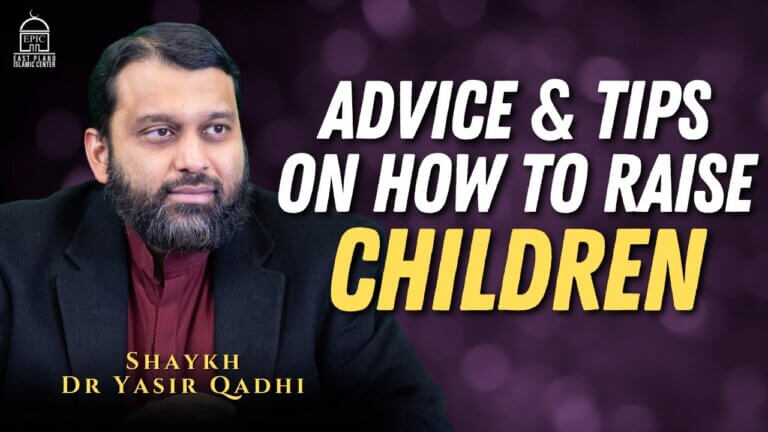
Sheikh Belal Assaad
Sheikh Belal, a Melbourne-based Islamic educator who has taught with the Islamic Society of Victoria for over a decade.
He draws on Surah Al-Isra 17:23 and the passage in Surah Luqman 31:14-15 to discuss kindness toward parents alongside limits on obedience.
Sheikh Belal describes five ways of continuing to honor parents after their death: praying for them, asking Allah to forgive them, maintaining the family ties connected through them, carrying out their bequest, and being considerate to their old friends.
Sheikh Belal outlines circumstances in which he teaches that obedience is not required: when a parent asks a child to commit a sin; in certain personal matters that do not benefit the parent, such as some career or marriage decisions; or when complying would cause genuine harm — but he insists a child must stay respectful even while declining.
Listen without judgment, show real interest in their world, talk about feelings, use ‘Acknowledge, Validate, Tell, Thank,’ give age-appropriate privacy, agree on house rules together, and set clear boundaries.
Practical steps for painful parent-child relationships in either direction: stay calm, make dua, don’t retaliate, seek trusted support, and hold onto hope. Where it is safe and workable, he encourages maintaining some connection rather than cutting ties off completely, while also acknowledging that a person may need distance when the situation becomes too much.
Sheikh Belal Assaad opens by naming the tension at the heart of many families: what does it really mean to honor your parents, and where, if anywhere, does that duty have a limit? He starts with the Quran’s repeated emphasis on kindness to parents, especially as they age — not speaking to them harshly, not even sighing at them, but treating them with the same tenderness they showed when their children were small, weak, and entirely dependent on them. That debt, he says, doesn’t expire. Even after a parent’s death, Sheikh Belal describes five ways of continuing to honor them: praying for them, asking Allah to forgive them, maintaining the family relationships that exist because of them, carrying out their wishes, and staying considerate toward the friends they kept in life.
But Sheikh Belal is careful to separate honoring parents from parents having unlimited control. He describes children and parents as a trust and a test for each other — each one accountable for how they treated the other. A parent who abuses religious language to control a child, he says, is misusing it; that is not what honoring parents was meant to produce. Sheikh Belal then outlines circumstances in which he teaches that obedience is not required: when a parent asks a child to commit a sin; in certain personal matters that do not benefit the parent, such as some career or marriage decisions; or when complying would cause genuine harm. Even then, he insists, disagreement doesn’t excuse disrespect. He describes a young man who, whenever his parents get upset with his choices, responds with a hug, a smile, and warmth, even while holding his ground — “sportsmanship style,” as Sheikh Belal calls it.
The most practical section is aimed squarely at parents raising teenagers. Sheikh Belal offers a series of habits for strengthening communication: listen without judgment, even when what you hear is uncomfortable; show genuine interest in your teen’s hobbies instead of dismissing them; talk about feelings, including your own, rather than defaulting to rules and consequences; give age-appropriate privacy and space; agree on house boundaries together rather than simply imposing them; and use a four-step formula he calls Acknowledge, Validate, Tell, Thank — acknowledging what your teen is feeling, validating it, offering your advice only after that, and thanking them for talking to you at all. One parent he knows agreed on a private code word with his young daughter, so that saying it signals “we’re in a judgment-free space and can talk about anything.” Sheikh Belal says that small habit built years of trust.
He closes with guidance for families where the relationship genuinely hurts — whether it’s a harsh parent or a child who has drifted. His advice doesn’t pretend the pain away: pray for the person by name, stay calm in conflict rather than escalating it, accept what you cannot change about another person, don’t retaliate, don’t isolate yourself, and seek out someone you trust to talk to. Where it is safe and workable, he encourages maintaining some avenue of connection rather than cutting the relationship off completely; he also acknowledges that a person may need distance and outside support when the situation becomes too much. He illustrates this with a story about an imam he listened to as a child who continued caring for his bedridden, openly hostile father without complaint, out of duty to Allah rather than any expectation of thanks — and who eventually watched that same father soften before he died.
What runs underneath all of it is a single idea: honoring your parents and having healthy boundaries with them are not opposites. A family can hold both respect and limits at the same time, and Sheikh Belal’s habits give parents of teenagers a concrete way to keep that relationship close enough that hard conversations can actually happen.
The Quran places heavy emphasis on kindness and respect toward parents, especially as they age and grow dependent again. Still, Sheikh Belal teaches that obedience is not required when a parent asks a child to sin, in certain personal matters that do not benefit the parent, or when complying would cause genuine harm. Even when declining, the talk insists on staying respectful and warm — disagreement and disrespect are treated as two different things.
Respect and obedience aren’t the same thing. You can expect honor and warmth from your teen without expecting total control, and model the same respect back.
Listening without judgment, showing real interest in a teen’s interests, and talking about feelings (including your own) build the everyday trust that crises later depend on. The ‘Acknowledge, Validate, Tell, Thank’ formula slows down a parent’s instinct to jump straight to advice or consequences. A private code word (Sheikh Belal’s example: ‘balloon’) gives a teen a low-pressure way to signal they need a judgment-free conversation.
The parents whose teens keep talking to them are usually the ones who built a habit of listening without judgment long before there was a crisis to manage.
Parents and children are described as a trust and a test for each other, with accountability running in both directions. Sheikh Belal describes five ways of continuing to honor parents after their death: dua, seeking forgiveness for them, maintaining family ties, honoring their wishes, and staying considerate to their old friends. For a relationship that is genuinely painful, the guidance offered is concrete: stay calm, make dua, don’t retaliate, seek trusted support and, where it is safe and appropriate, consider whether some limited connection can remain.
When a parent-child relationship is genuinely strained, this guidance doesn’t ask anyone to pretend it’s fine — it offers real steps for staying connected without absorbing harm.
Borrow the ‘balloon’ idea: agree on a private word with your teen that means, we need to talk about something sensitive without judgment.
At your next disagreement with your teen, try this four-step formula before jumping to advice or consequences.
This week, ask your teen a genuine question about their hobby, game, or interest — and just listen, without steering the conversation toward a lesson.
Sit down and write your family boundaries as agreements you make together, rather than rules simply handed down.
If your relationship with your teenager, or your own parent, feels strained right now, make a habit of praying for them by name, even quietly.
There are no right or wrong answers here, just space to think about your own family.
Where in your relationship with your teenager do you hold on to control out of love, and where might it actually be more about your own comfort?
Is there a topic your teenager avoids bringing to you? What would need to change for that to feel safe?
Think about your last real disagreement with your child — did you acknowledge and validate their feelings before responding, or move straight to advice or consequences?
If your relationship with your own parents, or with your child, feels painful right now, which one step from this talk (staying calm, dua, seeking support, maintaining some safe connection where possible) could you start with this week?
Which boundaries in your home are true agreements you and your teen made together, and which are simply rules you have handed down?
Every family is different. If you’ve tried something that made a difference in your family, we’d love to hear about it.
More reflections that may help you think about this from another angle.