Reflection Summary
Ustadha Hina Khan-Mukhtar
In conversation with CelebrateMercy
Motherhood is “one long series of regrets,” but the goal was never a perfect record — it’s staying in the fight, apologizing, and continuing to try.
Sharing her children’s stories and photos publicly online for years before realizing kids are autonomous people with their own right to privacy.
A father calmed his toddler’s tantrums for good simply by modeling the words he wanted his son to use, instead of scolding him.
Homeschooling nearly burned her out until she made a list of what she’d actually be accountable for — and put her children’s faith foundation first.
She and her husband deliberately built a like-minded circle around shared values, while staying kind to old friends rather than cutting them off.
Share less of your children’s lives publicly, model the behavior you want instead of lecturing, and keep asking Allah for the right people and priorities.
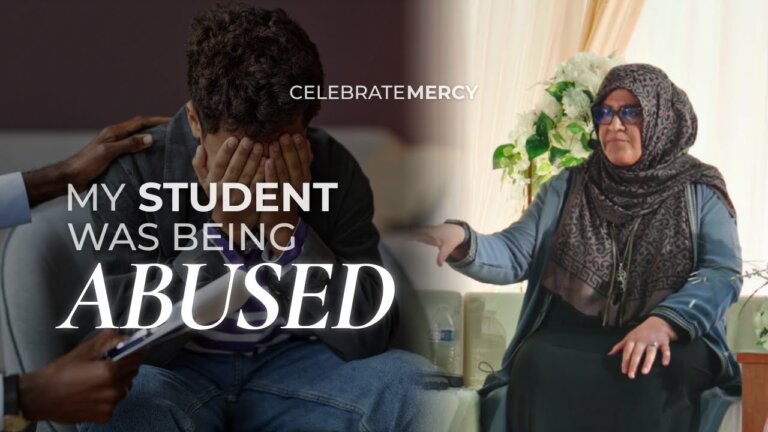
Recorded as her three sons are grown and, one by one, leaving home, this conversation finds Ustadha Hina in an unusually reflective mood — looking back at both what she got right and what she’d do differently as a Muslim mother. She reframes the empty-nest feeling as being a “bird launcher” instead, but most of the conversation is spent somewhere more honest: her regrets, and what she hopes her children remember about her.
Her biggest regret is candid and specific. For years, she built a public platform — the same platform that led to this very interview — by writing up her children’s stories, photos, and milestones for an audience. It wasn’t until later that she recognized her children as autonomous people who never consented to having their childhoods narrated publicly, even in stories she considered harmless or flattering. She’s since stepped back sharply — off Facebook, off Instagram — and now shares general advice rather than her children’s specific stories, calling it something she’s made tawbah (repentance) for.
The parenting story she tells that best captures what she got right is about a father whose toddler screamed for the car window every time he was buckled into his car seat. Instead of scolding him, the father calmly modeled the words he wanted to hear — “Roll down the window, Baba? I’ll roll down the window for you” — every single time. By the fourth day, the child asked for it in those exact words, unprompted. She ties this directly to the example of the Prophet Muhammad (peace be upon him), who reportedly never once scolded or nagged those closest to him, choosing instead to show people the behavior he wanted from them.
She’s just as honest about nearly burning out early in her homeschooling years, trying to cover an exhaustive list of subjects, until she made a different list — what she’d actually be held accountable for as a parent — and put her children’s relationship with Allah at the top. That same intentionality shaped her friendships: she and her husband deliberately built a more like-minded community around shared values, while staying warm toward old friends rather than cutting them off, a distinction she’s careful to draw as a matter of need, not superiority.
Asked how she wants her children to remember her, she doesn’t reach for a polished answer. She hopes they’ll remember that she made real mistakes, but that she never stopped trying, never stopped apologizing, and kept turning back to Allah at every step. That’s really the mercy in the video’s title — not just the mercy she hopes Allah shows her mistakes, but the mercy she’s had to learn to show herself, which may be exactly what lets a parent keep going instead of giving up.
She spent years publicly sharing her children’s stories, photos, and milestones online, which helped build the platform she now uses to teach and reach families. Looking back, her deepest regret is that she made those choices about her children’s private lives without their consent, before realizing they had a right to decide what gets shared about them. She’s since stepped back from social media almost entirely and now speaks in generalities rather than using her children’s specific stories.
A cute story is still your child’s story — consider whether they’d choose to share it before you do.
A father whose toddler screamed for the car window every time he got in his car seat stopped scolding him and instead calmly modeled the words: “Roll down the window, Baba? I’ll roll down the window for you.” By the fourth day, the child used those exact words himself, unprompted. She ties this directly to the example of the Prophet Muhammad (peace be upon him) — never once scolding or nagging those closest to him, and instead showing people the behavior he wanted from them.
The words and tone you want from your child are more likely to show up if you’re the one modeling them consistently, not demanding them.
Early in homeschooling, she made an exhaustive list of everything to teach and nearly burned out trying to cover it all. She reset by making a different list — what she’d actually be held accountable for as a parent — and put her children’s relationship with Allah at the top. The same intentionality shaped her friendships — she and her husband deliberately built a like-minded community, while staying kind to people who weren’t walking the same path.
Not every priority deserves equal weight — get clear on what actually matters most, and let that reorder everything else.
Before posting a story or photo of your child, consider whether they’d be comfortable with it being public, especially as they get older.
Next time your child is upset, try calmly saying the words you’d want them to use, instead of correcting or lecturing in the moment.
Write down what you actually believe you’ll be responsible for in raising your child, and let that reorder your day-to-day priorities.
Notice who your family spends the most time with, and whether that circle shares your family’s values and direction.
When you look back on a parenting mistake, practice extending yourself the same mercy you’d want your own child to receive.
There are no right or wrong answers here, just space to think about your own family.
Is there something about your child’s life you’ve shared publicly that, looking back, you wish you’d asked them about first?
Think of a behavior you keep lecturing your child about. What would it look like to simply model it instead, consistently, without commentary?
If you made a list of what you’ll actually be accountable for as a parent, what would be at the top — and does your daily schedule reflect that?
Who does your family spend the most time with, and is that circle pulling you toward or away from the values you want to live?
When you think about your own parenting mistakes, are you able to show yourself mercy, or do you mostly carry regret? What would change if you extended yourself more grace?
Every family is different. If you’ve tried something that made a difference in your family, we’d love to hear about it.
More reflections that may help you think about this from another angle.